10 Features Every Google Pixel 11 Owner Should Try First
The Pixel 11 series packs major software upgrades alongside hardware improvements. Here are the best tricks to explore on your new phone.
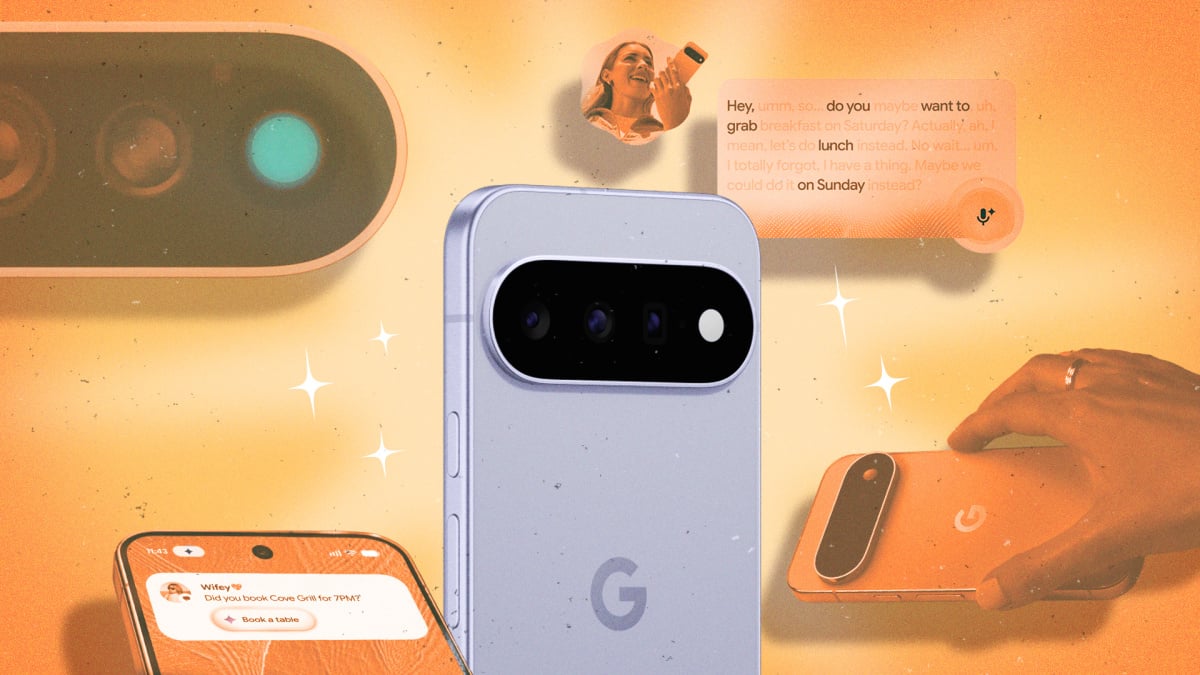
Part of the fun of upgrading your phone is digging into all the new features and functions it offers, and it’s no different with Google’s recently unveiled Pixel 11 series. While there are hardware bumps in these phones, many of the most notable selling points are on the software side, with a bunch of upgrades related to AI and Android 17.
If you’ve invested in a Pixel 11, Pixel 11 Pro, Pixel 11 Pro XL, or Pixel 11 Pro Fold, then these are the best tricks to try out first. All of these features are exclusive to the 2026 flagships, though some may trickle down to older handsets over time.
Install This App to Take Full Control of HiLight
HiLight is new to the Pixel 11, and uses a rear LED light to alert you to incoming calls from the most important people in your life — the idea being that it helps you cut out the rest of the noise associated with owning a smartphone in 2026.
You can configure HiLight from Settings by choosing System > HiLight, but there’s not actually much configuring to do. It only works for Gemini chats and calls from contacts marked as favorites, with a simple toggle switch in both instances. You can choose different colors for different contacts, but that’s about it.
To do more with HiLight, you can install HiLight Studio. This third-party tool unlocks HiLight for use with more apps on your phone and gives you full control over the colors displayed, making HiLight much more useful.
Use Camera Looks Filters to Add Imperfections to Your Photos
One of the Pixel 11 exclusives in the Camera app is what Google is calling Camera Looks. They work like subtle filters, similar to the Photographic Styles on iOS, with gentle adjustments to contrast and colors that give your images a different feel — and can remove the ultra-clean, over-processed vibe of Pixel photos in general.
Open the Camera and tap the controls button (lower right), then Looks. This gives you access to the four different options you can apply by default when snapping images: Original (the usual Pixel processing), Natural (for “relaxed details”), Shadows (for “deeper contrast”), and Vanilla (for “a warm, golden glow”).

There are four Camera Looks to choose from. Credit: Lifehacker
Limit Zooming to Avoid AI-Generated Imagery
Here’s a tip about not using a Pixel 11 feature. If you have the Pixel 11 or Pixel 11 Pro Fold, you can go up to 30x with Super Zoom, while on the Pixel 11 Pro and Pixel 11 Pro XL there’s Pro Zoom up to an incredible 120x.
The Pro Zoom levels get you closer to the action, but they also use generative AI to enhance what’s in the photo. It’s not just sharpening and enhancing — it’s actually inventing new details based on the pixels that are already there, which is why you have to download a generative AI model the first time you use Pro Zoom.
The 30x Super Zoom uses AI too, but of a different type: rather than generating details, it combines photo frames and analyzes colors to sharpen up an image, like a traditional image editor filter. This applies up to a 30x zoom level, Google says, so you know where to stop if you don’t want any AI elements being added in.
With Pro Zoom shots, Google Photos will save both the AI-enhanced version and the raw digital zoom version — you can switch between them in the app and choose the one you like best.
Use Magic Capture to Automatically Take Photos While Recording Videos
It’s the perennial problem of the modern age: how do you make sure you’ve got photo memories of an event while still staying present in the moment? Of course you’d like snaps of your kid’s birthday party, but you don’t want to spend the whole time glued to your phone.
This is where Magic Capture comes in. You can enable it from the Camera app by tapping the icon to the left of the photo icon, just under the main shutter button. You then tap the shutter button to start a video capture and let it record, freeing you to focus on what’s happening rather than looking at the Camera app and taking individual photos.
When you stop the recording, AI swings into action to pick out still images that look like highlights from the footage — so presumably someone blowing out candles, raising a toast, or reaching the crest of a wave, depending on the scenario.
Use Pause Point to Block Distractions on Your Pixel
Every phone maker has come up with multiple ways to try and keep us from getting too addicted to our devices, and the latest digital well-being idea from Google is the Pause Point feature for the Pixel 11 phones.
It’s pretty simple, which means it just might work: for the apps you specify, you get a mindfulness prompt every time you open them. Those few seconds of thought and self-reflection could help you realize that no, you don’t actually need to open up Instagram or X again today.
To set this up, go to Settings, tap Digital Wellbeing, and then Pause Point to pick the apps you’d like it to apply to. This doesn’t seem to be live yet, despite Google announcing it and including it in its official support documentation. Keep an eye out for it appearing in updates over the next few weeks.

The Pixel 11 lets you set specific vibrations for specific contacts. Credit: Lifehacker
Another way to reduce screen time is to create unique alerts for each contact, so you know who’s getting in touch with you just from the way your phone pings or buzzes. The Pixel 11 phones help with this by letting you customize vibrations in a couple of handy ways.
First, you can set specific vibrations for specific contacts, as well as specific audible ringtones. From the Contacts app, tap on a name, then Contact ringtone, and you can choose a vibration pattern as well as a sound.
You can also change the default vibration patterns for calls and notifications — something that wasn’t possible before, though not on a per-app or per-contact basis. From Settings, pick Sound and vibration, then Ringtone or Notification.
Use the Built-In Teleprompter to Create Content Directly on Your Pixel
If you’re using your Pixel 11 to record video for public consumption, you can make use of a built-in teleprompter to read your scripts — no third-party app required.
From the Camera app, tap the video icon (to the right of the photo icon, under the shutter button), then tap the settings button in the top left corner. If you switch to the Creator tab, you’ll see a Teleprompter toggle switch you can turn on.
Once it’s enabled, tap the Teleprompter icon on the capture window to enter your text — you can paste it in from somewhere else if you prefer. When video recording starts, the script will automatically advance as you talk through it.
Use the Pixel Search Bar to Find Your Stuff Faster
This is one of the more well-hidden new features on the Pixel 11 phones. Pixel Search is designed to make it easier to find content on your phone — like messages and files — from a single search bar, but it’s not the search bar on the home screen.
Instead, it’s the one above the app grid. Swipe up on the home screen to get to the app grid, then tap in the search box at the top. The first time you do this on your Pixel 11, you’ll see an introduction to the feature along with a Go to Settings link.
Follow that link, then Apps in search results, and you can choose the content that Pixel Search will dive into — across Google Calendar, Google Drive, Gmail, Google Photos, and Settings, among others.
These features collectively make the Pixel 11 series one of the most capable Android lineups Google has released, and exploring them early will help you get the most out of your new device.