Apple Products That Did Not Receive a Price Increase Yet
Apple raised prices on Macs and iPads by up to $500, but iPhones and Apple Watches were spared — at least for now.

Key Takeaways
- While Apple raised its prices for a number of devices, new iPhones and Apple Watches were surprisingly spared.
- Macs and iPads saw price increases from $100 all the way to $500.
- While Apple hasn’t explained its rationale, the likely explanation is that price hikes are coming with the iPhone 18.
Following a cryptic announcement from outgoing CEO Tim Cook earlier this month, Apple officially raised its prices on a number of devices. These weren’t small increases, either: Most Macs jumped by $200 to $500 overnight, while many iPads saw $100 to $200 increases. Even Apple’s “budget” laptop, the MacBook Neo, shot up nearly 17% to $699. This computer launched at $599 just three months ago, and even allowed anyone to take off an additional $100 under its lax education discount. Now, it’s on par with some used MacBook Airs.
It’s not just Apple’s biggest products that are now more expensive, either. Apple TVs now cost $200 instead of $129; HomePods cost $349 instead of $299, and HomePod minis cost $129 instead of $99; Vision Pro now starts at $3,699, which makes it an even more difficult sell than before.
While Apple is obviously concerned with protecting its profits, the company didn’t simply decide it wanted more money. The rationale behind these increases is the same as every other company that raised its prices in recent months: The global memory shortage is making all computer components more expensive, to the point where companies feel they cannot continue operating without sharply inflating MSRPs. Sony raised prices on the PS5, as did Nintendo with the Switch 2. Acer, Dell, and Microsoft all increased the costs of certain computers and laptops. If it runs on a chip, it likely costs more now than it did last year, or it will soon.
Which Apple Products Did Not Get a Price Hike?
Apple did not increase the cost of its products across the board. While it’s a brutal market for Macs and iPads today, other products were spared a price hike — at least, for now. Here’s what Apple decided to keep at the same price for the time being:
- iPhone 17
- iPhone Air
- iPhone 17 Pro
- iPhone 17 Pro Max
- iPhone 17e
- iPhone 16
- iPhone 16 Plus
- Apple Watch Series 11
- Apple Watch SE 3
- Apple Watch Ultra 3
- AirPods Max 2
- AirPods Pro 3
- AirPods 4
- AirPods 4 With Active Noise Cancellation
- AirTag
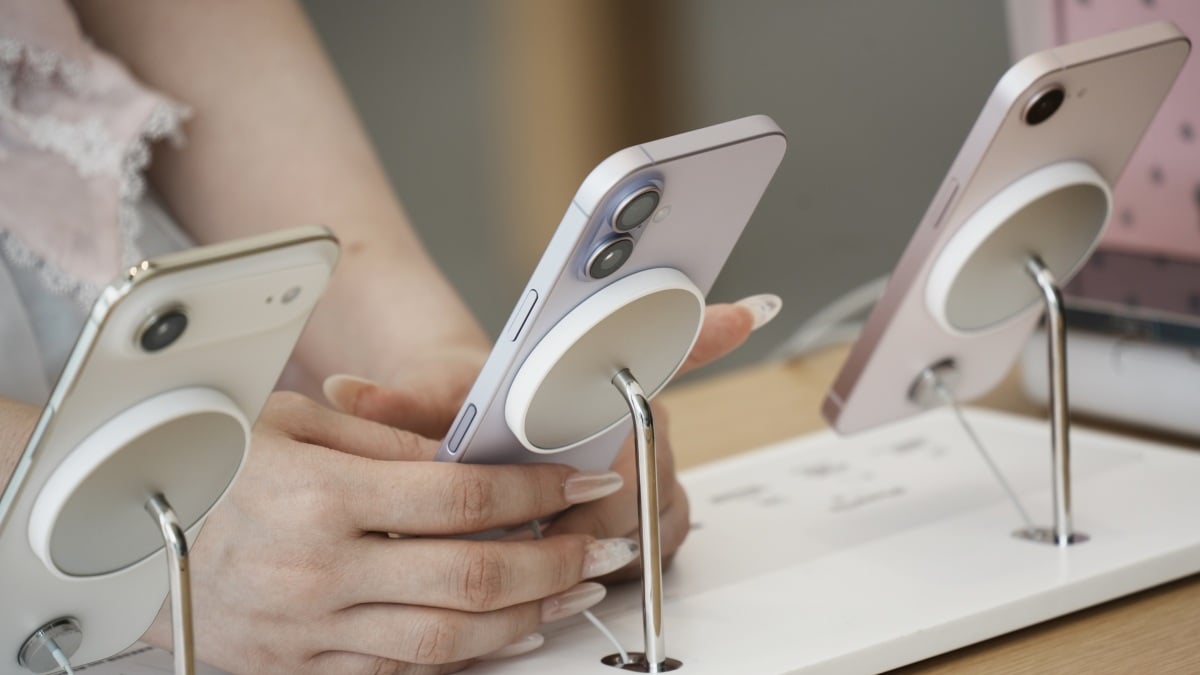
In addition, Apple doesn’t appear to have raised prices on its accessories, like iPhone cases or Magic Keyboards. If you were planning on turning your iPad into a laptop, or adding a MagSafe accessory to your iPhone, you should still pay as much today as you would have earlier this week.
Why Did Apple Keep These Products at the Same Price?
The short answer? We don’t know. Apple’s limited comments on these price hikes specifically mention the iPad and Mac, not the iPhone or its other products. After all, iPhones and Apple Watches still rely on components, including RAM, just like Macs and iPads — and yet, they get to keep their price tags. Still, we can make inferences to guess at the company’s logic.
The most likely factor behind this decision is the iPhone 18. Apple will almost assuredly announce this new iPhone line during its big fall event in September, and when it does, it will likely announce price increases compared to the previous iPhone generation. Perhaps it’s only in the company’s best interest to keep the iPhone status quo the same for the next three months, to encourage users to buy iPhones and watches between now and the next generation launch. Then, it can implement a new round of price hikes for buyers looking for a new iPhone. Last week, The Wall Street Journal estimated that the iPhone 18 could start at $1,299 — meaning the current iPhone lineup’s unchanged prices may simply be a brief reprieve before another round of increases arrives this fall.